

Sustainable Wedding Dresses & Circular Production
Responsibility in fashion is shared — by the brands that produce and the people who wear what they make. Across the industry, more houses are moving in this direction. WONÁ Concept began its own work in 2026, with a circular production system built into how we operate, and we continue to develop it.
Fashion is one of the most resource-intensive industries on the planet:
- Around 10% of global carbon emissions — more than aviation and shipping combined (UN Environment Programme)
- Close to 20% of the world's wastewater (World Bank)
- Roughly 215 trillion litres of water a year — about 86 million Olympic-sized swimming pools (UNEP)
- 92 million tonnes of textile waste every year, projected to reach 134 million by 2030 (UNEP)
- Less than 1% of clothing is recycled into new clothing (Ellen MacArthur Foundation)
Bridal sits within this larger picture, and much of the impact happens in production — long international supply chains and the material left over while a gown is made. That is where a maker's choices matter most, and where real change is possible.
2026 — the start. In partnership with Re:inventex, a specialist in mechanical textile recovery, WONÁ Concept built a circular production system into daily operations. Each month, around 500 kg of pre-consumer textile offcuts are collected directly from our own production and mechanically recycled — a water-free, chemical-free process that returns them to reusable fibre. Where possible, we also work with natural fabrics, reducing reliance on synthetics in the gowns themselves.
The results so far.
- 1,726 kg of textile waste diverted from landfill — more than 8,000 T-shirts
- 103,600 litres of freshwater preserved — a year of drinking water for over 140 people
- 12.1 tonnes of CO₂ emissions avoided — more than one drive around the Earth
- 200+ circular products created and donated
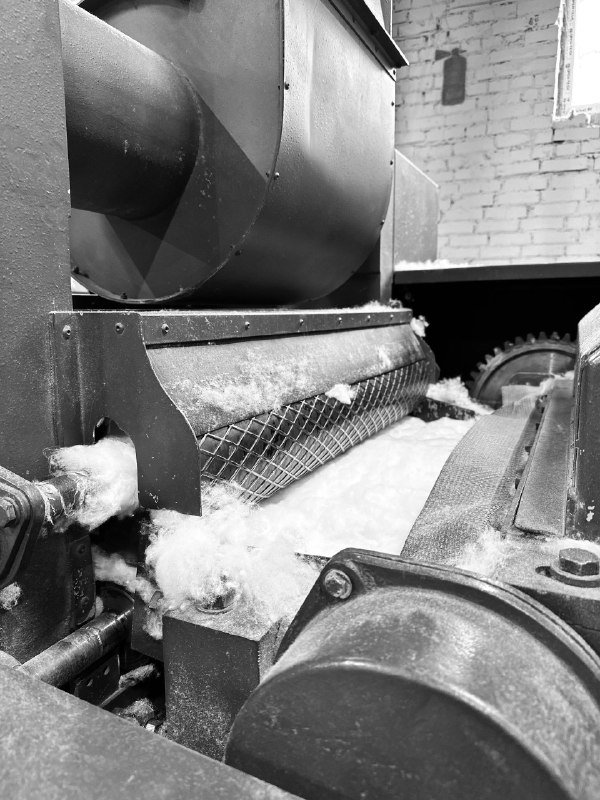
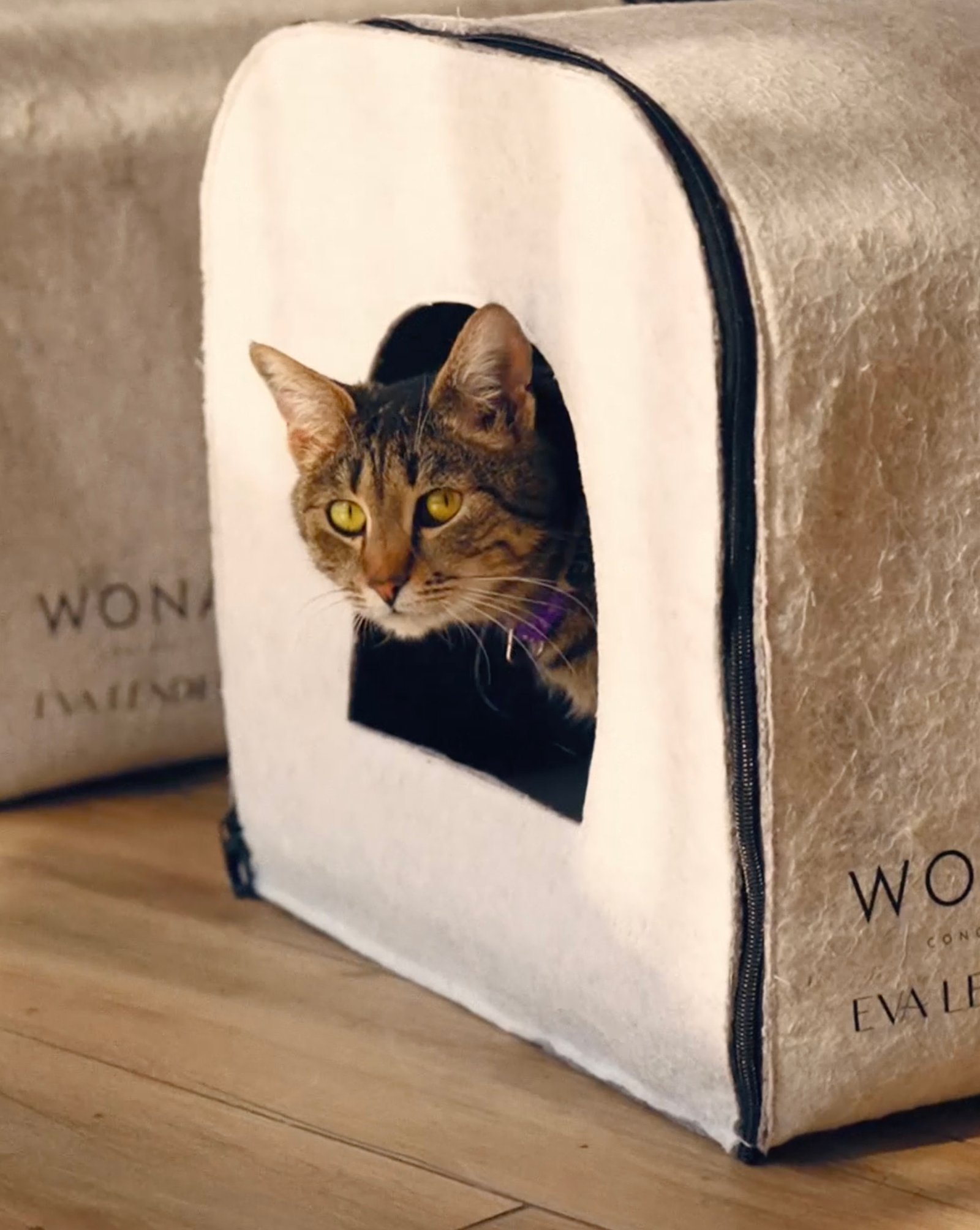
Those regenerated fibres re-enter production and social initiatives. One of the first became a collaboration with Patron Pet Center in Kyiv, where recycled materials from WONÁ production were transformed into beds, pillows, and recovery items for rescued animals in treatment and rehabilitation.
WONÁ Concept produces to European manufacturing standards, and as the house grows internationally, the circular system grows with it — more offcuts recovered, more circular products created, and more social initiatives supported. The direction stays the same: responsible production at every stage.
Is the fashion industry bad for the environment? Fashion is responsible for around 10% of global carbon emissions — more than aviation and shipping combined — and close to 20% of the world's wastewater, according to the UN Environment Programme. Each year the industry generates roughly 92 million tonnes of textile waste, while less than 1% of clothing is recycled into new clothing.
Are wedding dresses sustainable? Bridal can be made more sustainably, and material choices are part of it. WONÁ Concept works with natural fabrics where possible and recycles production offcuts back into reusable fibre, so more of each gown's footprint is addressed at the source.
What is circular production? Circular production keeps materials in use instead of discarding them. At WONÁ Concept, textile offcuts from our own production are mechanically recycled into reusable fibre and returned to new production and social projects.
What does WONÁ Concept do to be sustainable? WONÁ Concept runs a circular production system with Re:inventex, recycling around 500 kg of textile offcuts each month through a water-free, chemical-free process. To date this has diverted 1,726 kg of textile waste from landfill, preserved 103,600 litres of freshwater, and avoided 12.1 tonnes of CO₂ emissions.
Where do WONÁ's recycled materials go? Regenerated fibres re-enter production and social initiatives — including a collaboration with Patron Pet Center in Kyiv, creating beds and recovery items for rescued animals.